
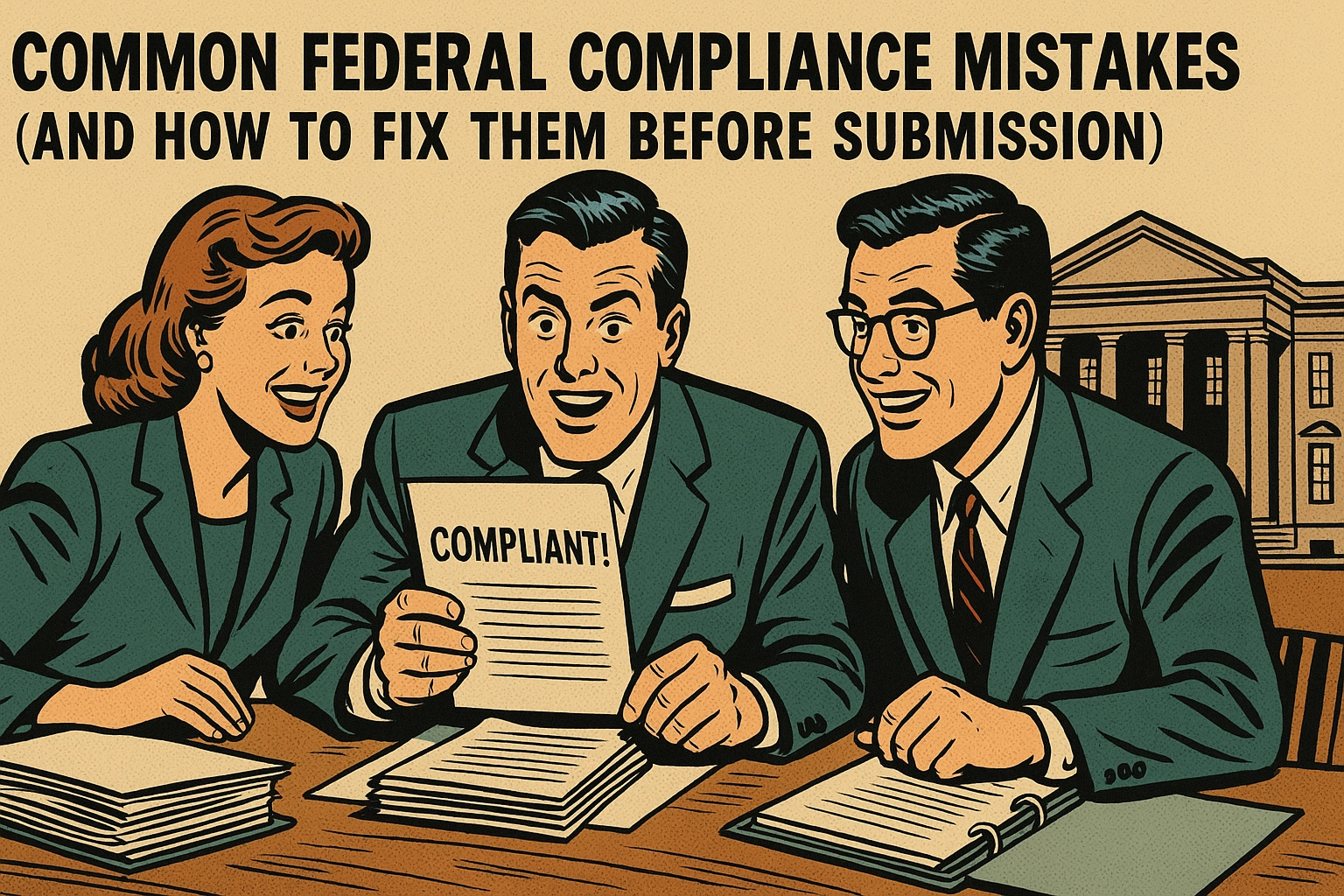
That sinking feeling when you realize your proposal might have compliance gaps just hours before submission? You’re not alone. Federal proposal compliance mistakes happen to experienced contractors daily, but the good news is that most are preventable with the right knowledge and systematic approach.
The difference between winning and losing often comes down to compliance details that seem minor but carry major weight with government evaluators. Let’s walk through the most common pitfalls and give you a clear roadmap to avoid them.
30-Second Compliance Reality Check
Here’s what government evaluators consistently flag: Missing required certifications, incorrect formatting specifications, incomplete small business documentation, and cybersecurity compliance gaps. These aren’t subjective judgment calls: they’re black-and-white compliance failures that can disqualify otherwise strong proposals before technical evaluation even begins.
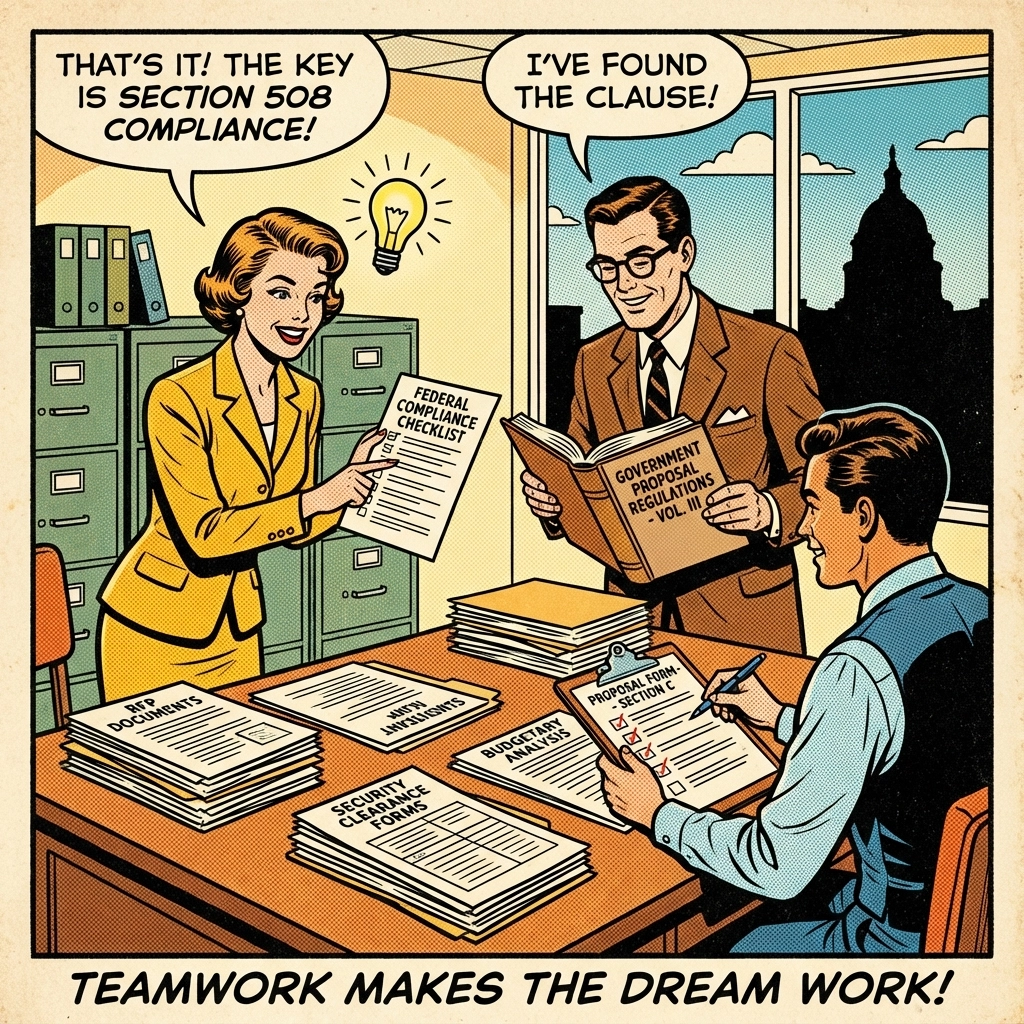
The Certification Documentation Maze
The Challenge: Required certifications often span multiple systems and deadlines, creating a complex web that’s easy to mismanage.
Your SAM.gov registration might be current, but that doesn’t guarantee all your required certifications are properly documented in your proposal. According to the Federal Acquisition Regulation 52.204-8, annual representations and certifications must be current, but many contractors submit proposals with expired or incomplete certifications.
The most overlooked area? Small business certifications that require both SAM.gov registration AND specific documentation in your proposal response. Women-Owned Small Business (WOSB) and Economically Disadvantaged Women-Owned Small Business (EDWOSB) certifications through certify.sba.gov have different requirements than your basic SAM.gov small business status.
Fix it now: Create a certification audit checklist that includes expiration dates, renewal deadlines, and which specific documents each RFP requires. Don’t assume that having the certification means you’ve properly documented it in your response.

Format Specification Failures That Kill Proposals
Government agencies are remarkably specific about formatting requirements, and deviation often means automatic disqualification. The FAR 15.204-5 gives agencies broad authority to establish proposal format requirements, and they use it extensively.
Common formatting compliance failures include:
Page limits that contractors misinterpret (does the cover page count?), font requirements that seem minor but aren’t negotiable, and margin specifications that can vary significantly between agencies. Defense contracts often have different standards than civilian agencies.
The PDF trap: Many contractors convert their proposals to PDF without checking that fonts, spacing, and page breaks render correctly. Government evaluators work with your submitted version: if formatting shifts during conversion, that’s your compliance problem, not theirs.
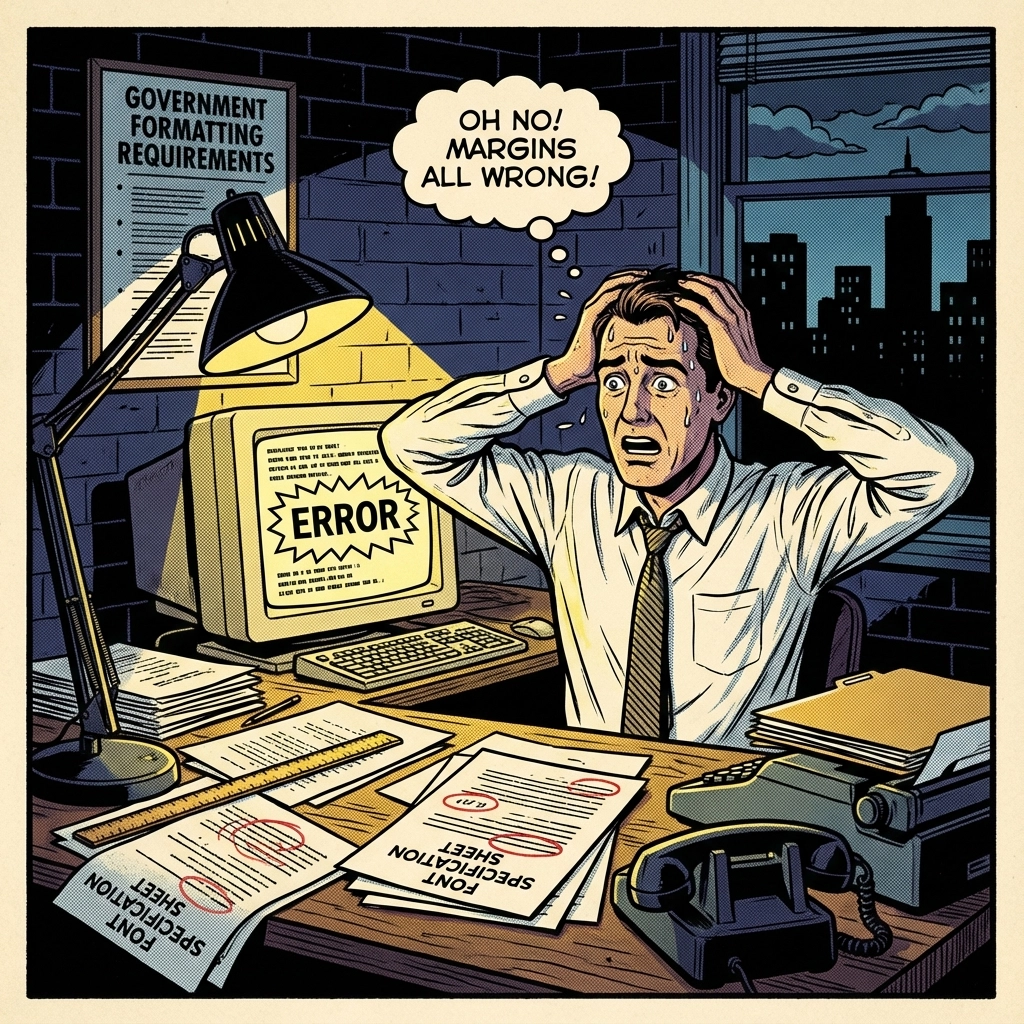
Pro tip: Always generate your final PDF on a different computer than the one you used for drafting. Font substitution and formatting shifts happen more often than you’d expect, especially with government-specific templates.
Cybersecurity Compliance: The New Compliance Frontier
CMMC 2.0 implementation has fundamentally changed federal proposal compliance. If your contract involves Controlled Unclassified Information (CUI), you’re now subject to DFARS 252.204-7012 requirements that mandate specific cybersecurity controls.
The compliance gap most contractors miss: Understanding the difference between self-assessment and third-party assessment requirements. Level 2 CMMC requires external assessment, but the timeline for implementation varies by contract value and CUI involvement.
Many contractors assume that basic cybersecurity insurance covers their compliance obligations. It doesn’t. The NIST SP 800-171 controls referenced in government contracts require specific technical implementations, documented procedures, and sometimes external validation.
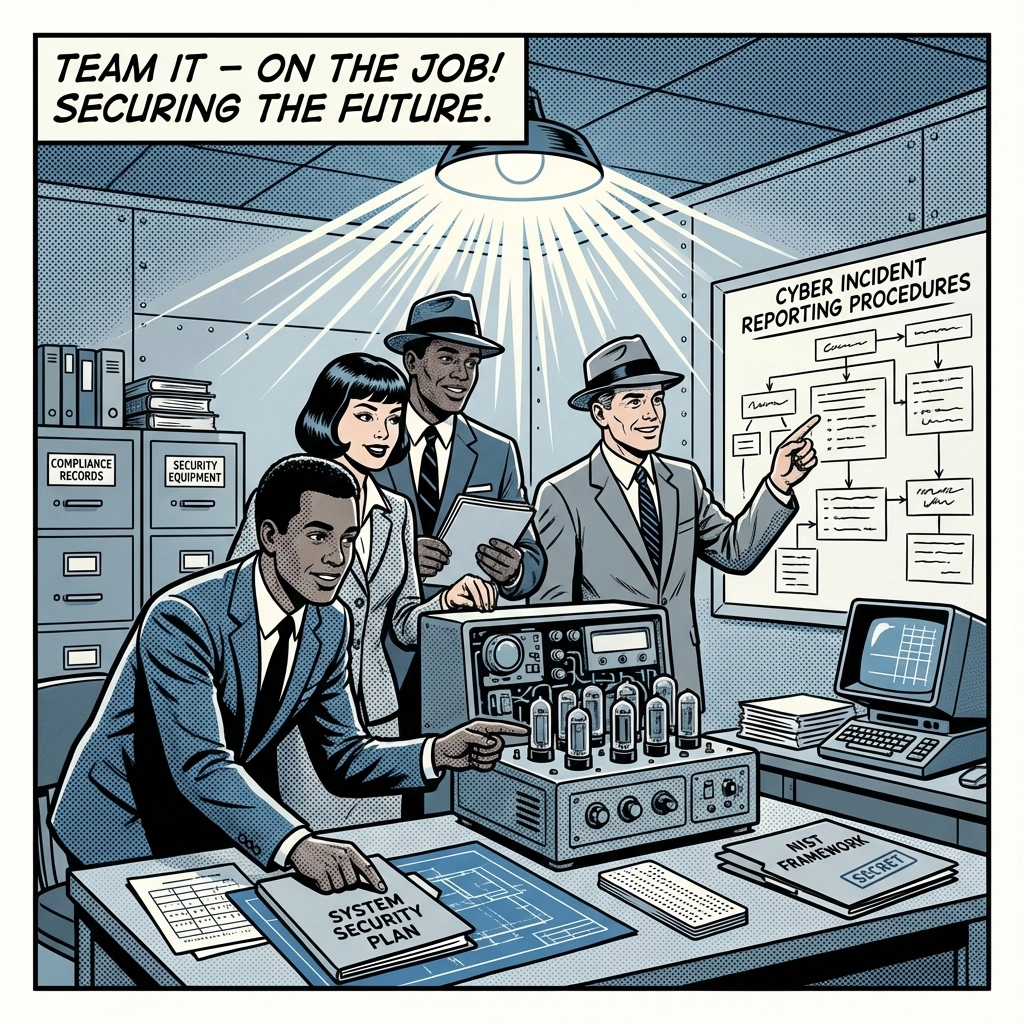
What evaluators actually check: Your System Security Plan (SSP), Plan of Action and Milestones (POA&M) for any identified deficiencies, and evidence that you understand incident reporting requirements. The DFARS 204.73 mandates reporting cybersecurity incidents within 72 hours: failure to understand this requirement signals compliance risk to evaluators.
Past Performance Documentation Disasters
The problem: Contractors often submit past performance references that don’t actually validate the required experience or fail to provide sufficient detail for meaningful evaluation.
Government evaluators need specific information to assess relevance and quality. Generic reference letters or outdated project summaries won’t meet evaluation standards outlined in the FAR 15.305 source selection procedures.
Critical past performance compliance errors:
Reference contacts who are no longer available or don’t remember project details clearly. Contract values, dates, or scope descriptions that don’t match government databases. Missing CPARS (Contractor Performance Assessment Reporting System) ratings that evaluators can independently verify.
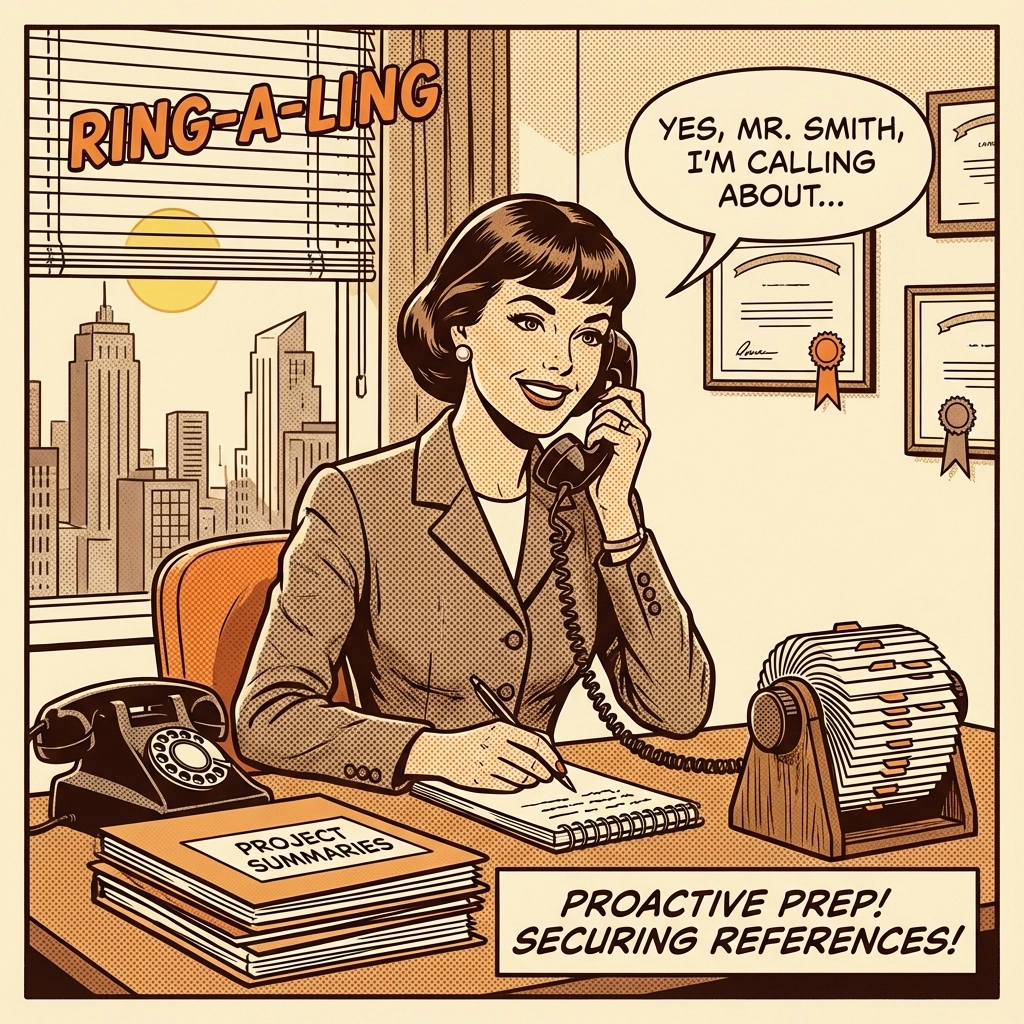
The fix: Contact your references before proposal submission to confirm their availability and refresh their memory about project specifics. Provide them with a brief summary of what evaluators will likely ask. Include CPARS ratings when available, and explain any rating gaps honestly rather than hoping evaluators won’t notice.
Small Business Subcontracting Plan Confusion
Set-aside contracts have specific compliance requirements that extend beyond your prime contractor status. If you’re prime on a small business set-aside but using large business subcontractors, your subcontracting plan must demonstrate compliance with relevant socioeconomic goals.
The FAR 19.704 subcontracting plan requirements aren’t suggestions: they’re compliance obligations that affect contract performance ratings.
Where contractors typically fail: Submitting generic subcontracting plans that don’t address the specific socioeconomic requirements of their contract, or misunderstanding how subcontracting goals apply to their particular situation.
Pricing Compliance: More Than Just Being Competitive
Cost and pricing compliance failures often stem from misunderstanding what specific cost information the government requires and how to properly support your pricing model.
Truth in Negotiations Act (TINA) compliance under FAR 15.403-4 requires cost or pricing data for certain acquisitions. Many contractors either provide too much information when it’s not required or too little when it is required.
Labor rate compliance issues frequently involve misunderstanding Service Contract Act requirements or failing to properly document how your proposed rates comply with prevailing wage determinations available through sam.gov.
The compliance standard isn’t whether your prices are competitive: it’s whether you’ve properly supported and documented your pricing according to specific regulatory requirements.
Technical Compliance vs. Technical Excellence
Here’s a critical distinction many contractors miss: technical compliance failures disqualify proposals before evaluators assess technical excellence. You can have the best technical approach in the world, but if you fail to address a mandatory requirement, your proposal won’t advance.
The most common technical compliance failure? Not directly addressing each evaluation criterion with clear, traceable responses. If Section M evaluation criteria ask for three specific elements, your response must clearly address all three: excellence in two won’t compensate for missing the third.
Pre-Submission Compliance Check Process
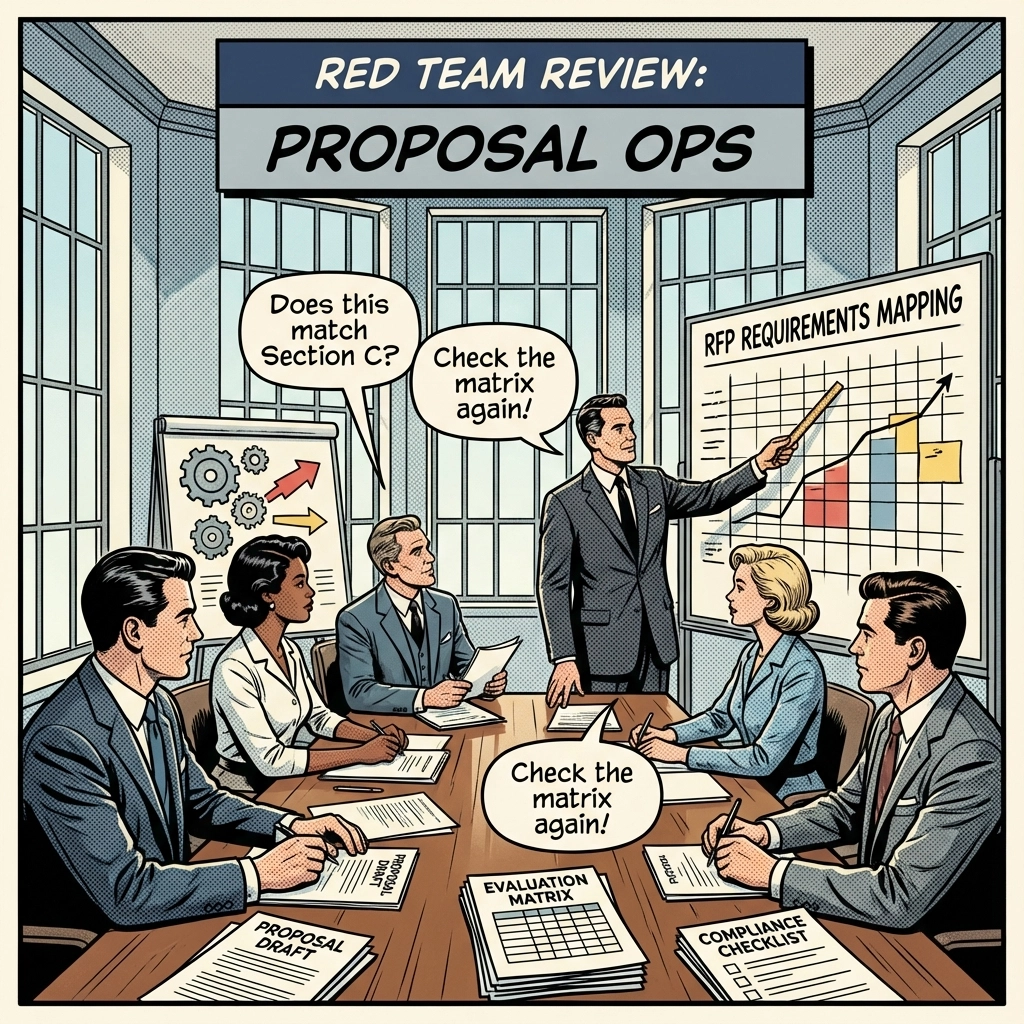
Create a systematic compliance verification process that runs independently from your technical and price development. Compliance checking should be a separate quality assurance step with different reviewers who focus exclusively on requirements verification rather than content quality.
Your compliance checklist should include: RFP requirement matrix verification, formatting specification compliance, required certifications and documentation, cybersecurity requirement confirmation, and subcontracting plan accuracy.
Schedule compliance review at least 48 hours before submission deadline. Compliance fixes often require obtaining new documentation, updating certifications, or reformatting entire sections: tasks that can’t be rushed without introducing new errors.
Moving Beyond Compliance Anxiety
Federal proposal compliance doesn’t have to be a source of constant stress. The key is developing systematic processes that catch issues early rather than trying to verify everything at the last minute.
Most compliance mistakes happen because contractors treat compliance as a final checklist rather than an integrated part of their proposal development process. When compliance verification is built into each stage of proposal development, it becomes manageable rather than overwhelming.
Ready to ensure your next proposal meets every compliance requirement? Our compliance review process examines your proposal against specific RFP requirements and identifies potential gaps before submission. Contact us for a comprehensive compliance assessment that gives you confidence in your submission.
Related Resources
Are Your Federal Proposals Ready for AI Review? 7 Things Government Evaluators Changed in 2025 provides additional insight into current evaluation standards that affect compliance requirements.
7 Mistakes You’re Making with Federal Proposals (and How Government Evaluators Spot Them Instantly) covers evaluation mistakes that often stem from underlying compliance issues.