
You’re hitting every performance metric. The contracting officer seems happy with your work. Your team has built solid relationships across the agency. So when that federal contract recompete solicitation drops, you should be golden, right?
Not necessarily. And that reality check might just save your contract.
The uncomfortable truth is that incumbency provides advantages, but it’s not armor against losing your federal contract recompete. Even contractors with sterling performance records and excellent government relationships lose recompetes: sometimes to competitors who bid significantly higher.
The Hard Truth: Incumbency Isn’t Protection
Despite what many contractors believe, being the current vendor doesn’t guarantee your federal contract recompete win. Research shows conflicting data on incumbent success rates, with some industry estimates suggesting over 90% of incumbents retain their contracts, while other analyses indicate incumbents lose roughly 40% of recompete opportunities.
What’s clear from federal acquisition regulations is that incumbency provides no legal advantage. According to FAR 15.304, proposal evaluation must be based strictly on the stated evaluation factors. Contracting officers cannot legally favor incumbents simply because they’re the current contractor.
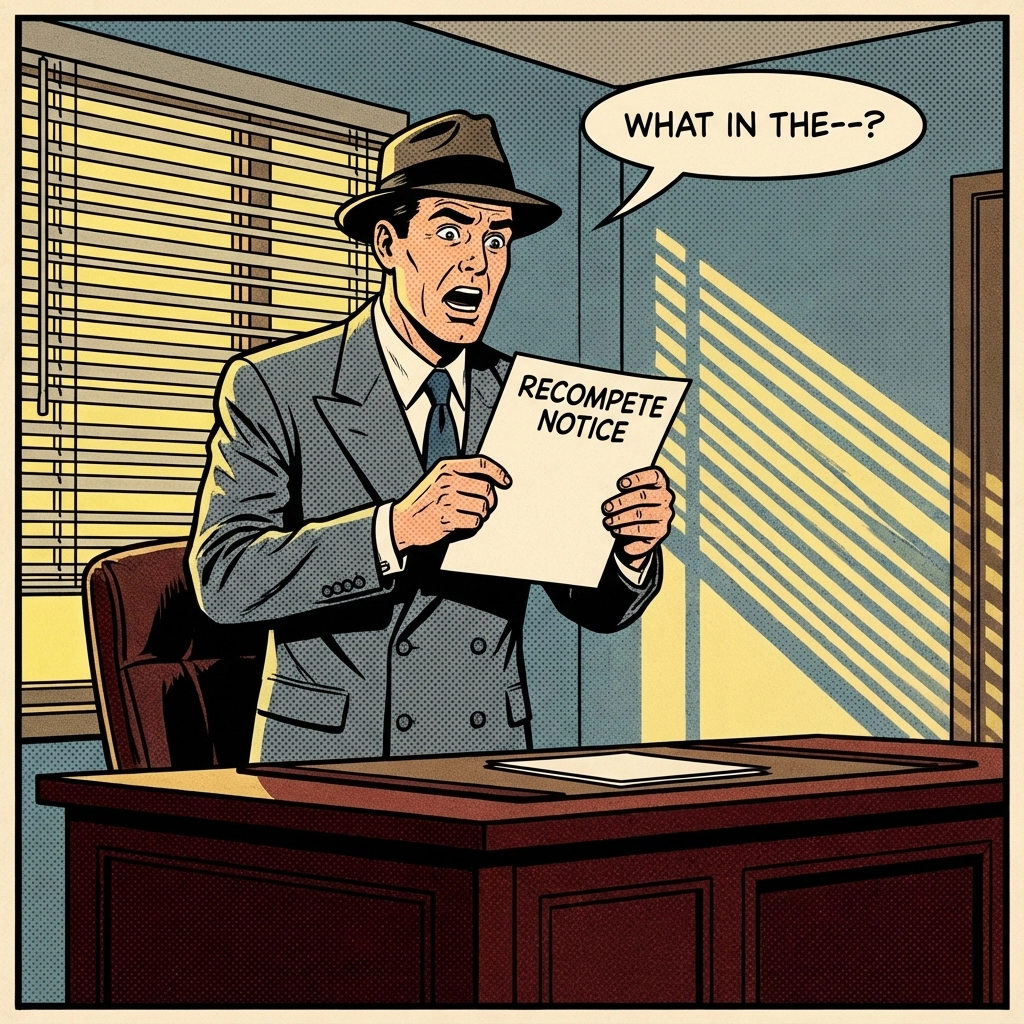
This means your stellar performance and great relationships with the contracting officer matter only if they translate into a superior proposal that addresses the new solicitation requirements. The government must evaluate every proposal: including yours: against the same criteria.
Why Good Performance Doesn’t Always Equal Recompete Success
Meeting contract metrics and maintaining positive relationships with government personnel certainly helps, but several factors can override these advantages:
Price sensitivity rules the day. If the recompete uses Lowest Price Technically Acceptable (LPTA) evaluation criteria, your technical excellence beyond “acceptable” won’t matter. A competitor who meets the minimum requirements at a significantly lower price will win, regardless of your superior past performance.
Evaluation criteria change between contracts. The priorities that made you successful on the current contract may not be weighted heavily in the recompete. Agencies regularly adjust technical requirements, add new capabilities, or shift emphasis based on evolving mission needs.
Complacency kills proposals. Many incumbents write “good enough” proposals, assuming their track record speaks for itself. This approach fails when competitors submit more compelling technical solutions or demonstrate better value propositions.
Real-World Lessons from Federal Contract Recompete Debriefs
Federal contracting professionals consistently report similar patterns in recompete losses. Here’s what actually happens when incumbents lose federal contract recompetes:
The “Phone It In” Disaster
One contractor maintained a federal contract for over a decade with excellent performance ratings. When the recompete arrived, they submitted a proposal with unfilled fields, outdated technical approaches, and pricing that was 20% higher than competitors. Despite their strong relationship with the customer, they lost to a bidder who clearly took the competition seriously.
The LPTA Reality Check
Multiple incumbents report losing contracts despite glowing performance reviews because the recompete switched to LPTA evaluation. When price becomes the primary factor, your technical superiority must be documented and substantial enough to justify higher costs under best value analysis: or it becomes irrelevant.
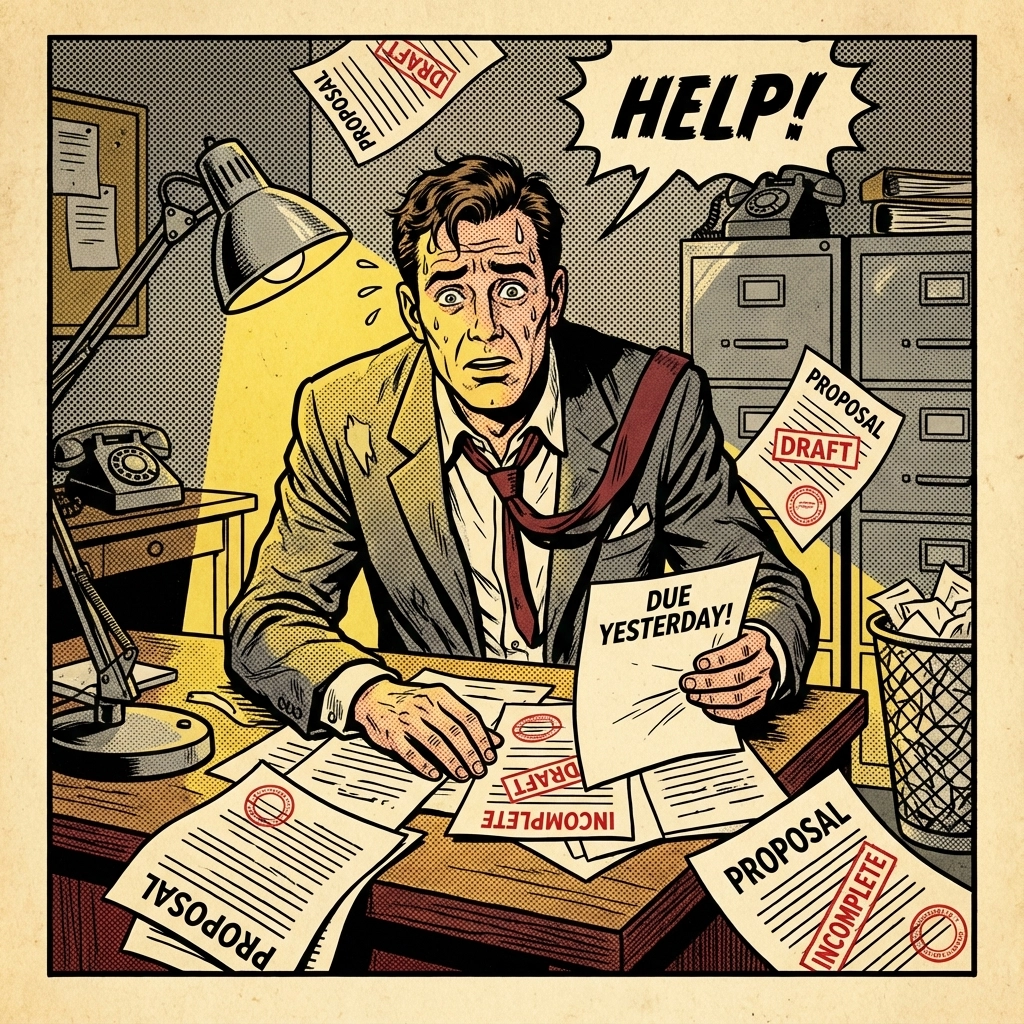
The Requirements Evolution Trap
Agencies often modify requirements between the current contract and recompete solicitation. Incumbents who propose “what we’ve been doing” instead of “what the new RFP asks for” frequently lose to competitors who carefully address updated specifications and demonstrate understanding of evolved agency priorities.
The CO and Source Selection Authority Perspective
Retired contracting officers and source selection authorities provide crucial insight into the federal contract recompete process. Their perspective consistently emphasizes that relationships matter far less than contractors believe.
As one retired CO explained: “Solid performance and cooperation don’t hurt for sure, but in a recompete, it’s essentially a new effort and you should approach it as such. Don’t get comfy and keep bringing your best response to the RFP.”
The Decision-Making Reality
Contracting officers and source selection authorities operate under strict legal constraints. They cannot award contracts based on personal preferences or informal relationships. Every decision must be documented and defensible according to stated evaluation criteria.
When technical evaluators demonstrate bias toward incumbents or provide inadequate justification for their ratings, experienced COs will override those evaluations or send them back for revision. The final award decision belongs to the source selection authority, who must ensure the selection follows federal acquisition regulations regardless of personal familiarity with contractors.

This means your relationship with government personnel helps primarily during the pre-solicitation phase: when you can influence requirements development and demonstrate capabilities. Once the RFP is issued, those relationships cannot legally affect the evaluation outcome.
Tactical Strategies for Federal Contract Recompete Success
Smart incumbents treat every federal contract recompete as if they’re bidding for the first time. This mindset prevents complacency and ensures maximum competitive effort.
Pre-Solicitation Intelligence Gathering
Start tracking potential recompetes 12-18 months before contract expiration. Monitor agency budget cycles, leadership changes, and evolving mission priorities that might influence recompete requirements. Attend industry days and engage with program managers to understand shifting needs.
Solicitation Analysis Protocol
When the RFP drops, analyze it with fresh eyes. Don’t assume requirements match your current contract. Create a detailed comparison between current contract terms and recompete requirements, highlighting every change: no matter how minor.
Compare evaluation criteria weights between the original award and recompete. If the government increased price sensitivity or added new technical factors, adjust your proposal strategy accordingly.
Proposal Development Discipline
Write your technical proposal to address what the government asked for, not what you’ve been delivering. If the RFP specifies new capabilities or modified service levels, demonstrate exactly how you’ll meet those requirements.

Avoid proposal shortcuts that incumbents commonly take. Don’t reference “our current approach” without explaining how it aligns with recompete specifications. Price competitively: analyze market rates rather than assuming your incumbent knowledge justifies premium pricing.
Beyond Performance: What Actually Drives Federal Contract Recompete Outcomes
Understanding federal contract recompete dynamics requires recognizing that evaluation criteria: not relationships or past performance alone: determine winners.
Successful incumbents focus intensely on proposal quality and competitive positioning rather than relying on institutional advantages. This means investing in capture activities, conducting competitive analysis, and crafting proposals that would win even if submitted by an unknown company.
The most effective approach treats recompetes as opportunities to re-earn the business rather than extensions of existing relationships. This perspective leads to stronger proposals, more competitive pricing, and higher win rates.
Common compliance mistakes can derail even strong incumbents, so understanding federal compliance requirements becomes critical during recompete preparation. Many contractors also benefit from reviewing common proposal errors that government evaluators consistently identify.
Your Next Steps for Federal Contract Recompete Success
Don’t let incumbency become a liability. Start preparing for your next federal contract recompete by conducting an honest assessment of your competitive position and proposal capabilities.
Ready to develop a winning recompete strategy that goes beyond relationship management? Fix Your Bid specializes in helping federal contractors navigate the recompete process with evaluator-level insight and objective proposal analysis. Our team understands exactly what government evaluators look for and how to position incumbents for maximum competitive advantage.
Contact Fix Your Bid today for objective, compliance-focused guidance that treats your recompete like the competition it actually is.
Internal Links
- Beginner’s Guide to Your First Federal Contract Win: What Works, What Doesn’t, and Where to Focus
- Common Federal Compliance Mistakes (and How to Fix Them Before Submission)
- Dodging Disaster: How to Avoid Fatal Proposal Errors in Federal Contracting