You’re staring at another RFP that just dropped on SAM.gov. Your proposal team is already stretched thin, but this contract could be game-changing. Sound familiar?
If you’re a small federal contractor, you’ve been here before, caught between the fear of missing out and the reality of limited resources. Most small contractors make bid no-bid decisions emotionally, chasing every shiny opportunity until their teams burn out and their win rates plummet.
Here’s the truth: successful government contractors don’t bid on everything. They use systematic approaches to protect their most valuable resource, their proposal capacity.
Rule 1: Avoid Emotional Bid or No-Bid Decisions
“We have nothing else going on, so we might as well go after this one.”
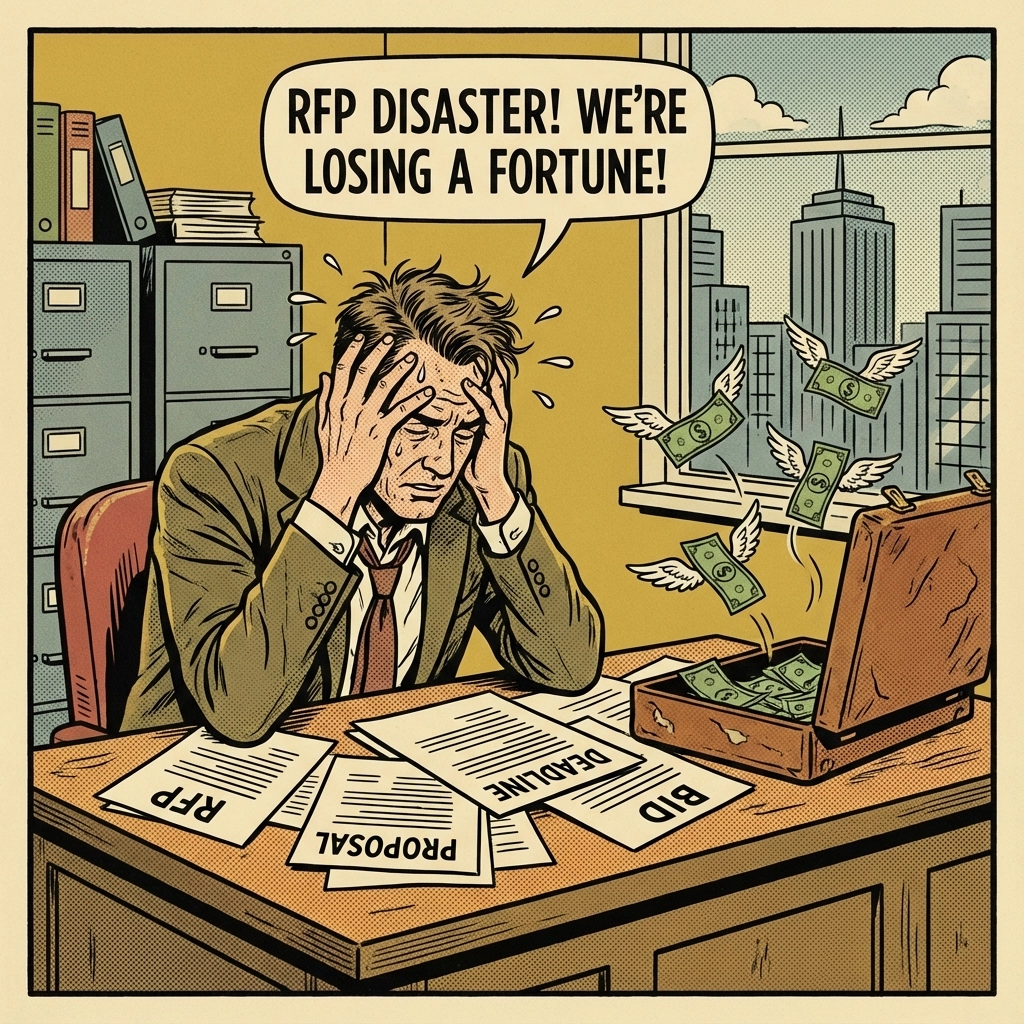
This mindset destroys more small contracting businesses than bad proposals ever will. When you bid emotionally, you’re not making strategic decisions, you’re gambling with your company’s future.
The numbers tell the story. Most small contractors spend $15,000-$25,000 on proposal development for contracts they have less than a 10% chance of winning. Do that math: you’re looking at negative expected value before you even start writing.
But here’s what separates winners from chronic proposal writers: discipline. The best small contractors have learned to say no to opportunities that don’t meet their criteria, regardless of how exciting they look on paper.
Rule 2: Ask the Key Bid or No-Bid Questions First
Before you commit a single hour to proposal development, evaluate these fundamental factors:
Past Performance Alignment
Can you produce three projects of equal size, scope, and complexity to what they’re asking for? If you can’t field a strong lead project and at least one solid secondary example, you’re already behind. Don’t assume you can fill gaps with partnership stories: evaluators want to see your company’s direct experience.
Customer Knowledge
What do you actually know about this customer, their program, their current challenges, and the incumbent’s performance? If your answer is “nothing, nothing, nothing, and nothing,” as one experienced contractor put it, you need to ask yourself: what are your real chances here?
Vehicle and Competition Level
Is this coming through SAM.gov where everyone can bid, or through a more restricted vehicle like GSA MAS or an agency BPA? Open competitions with unlimited participants require much stronger qualification criteria than restricted competitions.
Resource Capacity
Do you have the internal capacity to handle this proposal without compromising existing work or requiring expensive consultants? Small shops can’t afford to spread themselves too thin across multiple simultaneous proposals.
Rule 3: Use Expected Value in Your Bid or No-Bid Decision
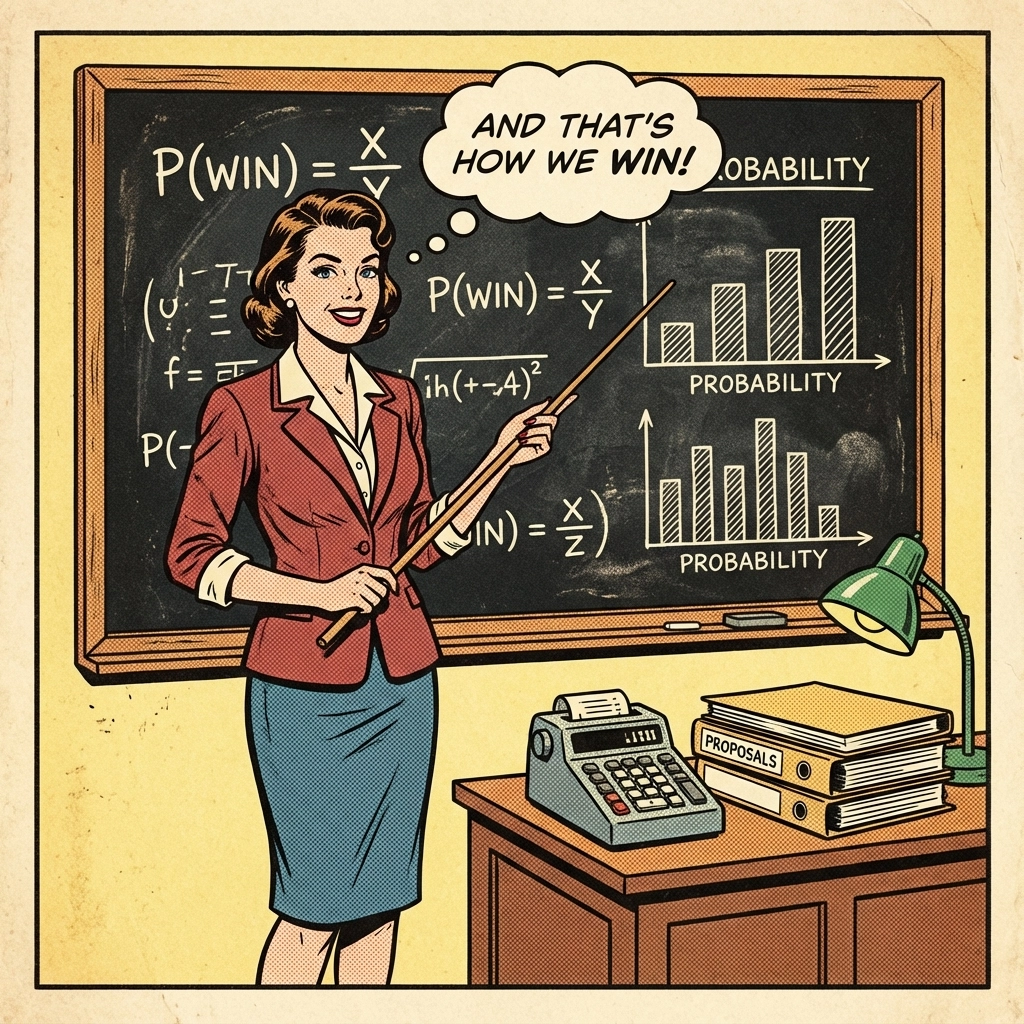
Here’s where most small contractors fail: they skip the financial analysis entirely. Smart contractors use a simple formula:
Expected Value = (Win Probability × Contract Value) – Proposal Cost
Start with a base win probability: 100 divided by the number of serious contenders. Then adjust up or down based on your competitive position:
- Strong incumbent with good performance: add 15-20%
- Perfect past performance fit: add 10-15%
- Existing customer relationship: add 10%
- Weak past performance fit: subtract 15%
- Strong competitor incumbent: subtract 20%
If your expected value is negative, it’s a no-bid. Period.
Rule 4: Build a Qualification Framework for Bid or No-Bid Decisions
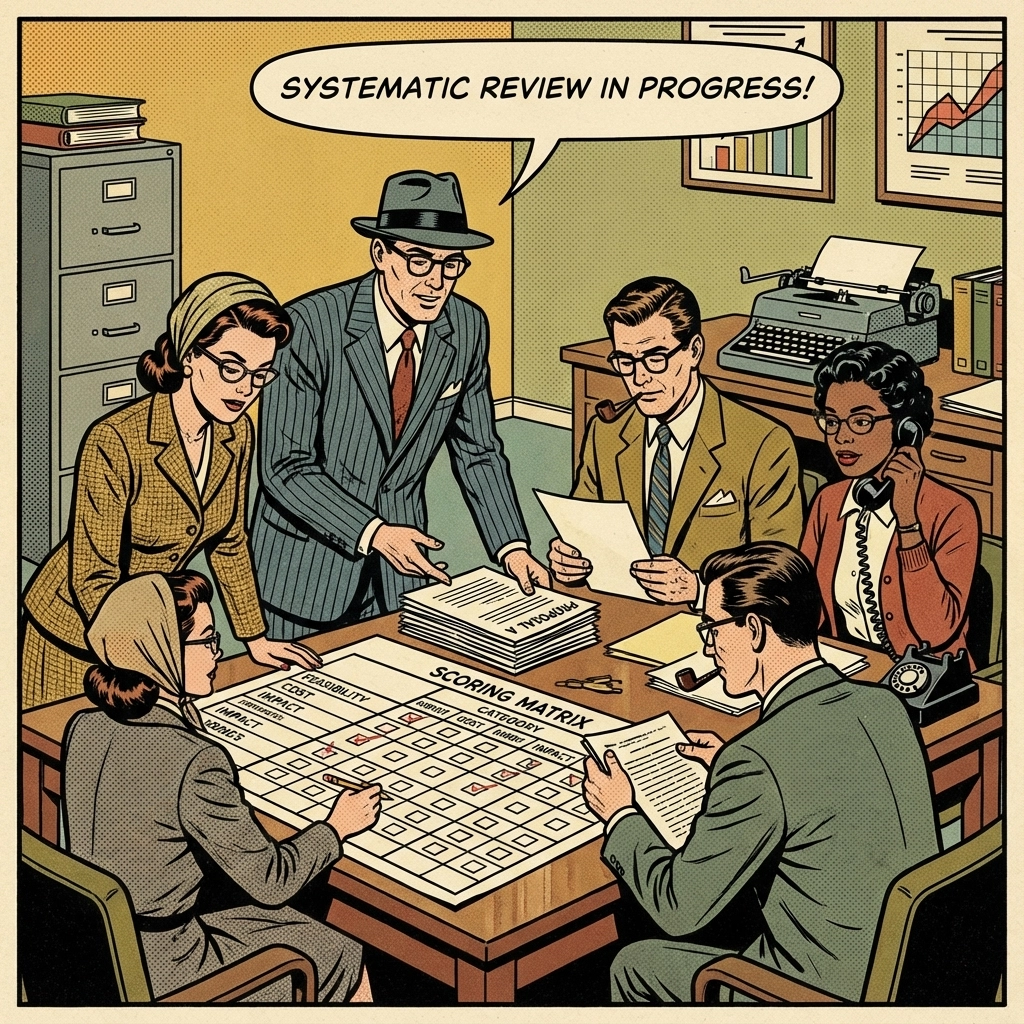
The most successful small contractors use structured scoring systems instead of gut feelings. Create a simple matrix with weighted factors:
Past Performance Fit (30%)
- Perfect match: 5 points
- Good fit: 3 points
- Weak fit: 1 point
- No relevant experience: 0 points
Customer Relationship (25%)
- Known and trusted: 5 points
- Some interaction: 3 points
- Cold contact: 1 point
Competition Assessment (20%)
- Few qualified competitors: 5 points
- Moderate competition: 3 points
- Highly competitive: 1 point
Strategic Value (15%)
- Opens new markets: 5 points
- Leverages core strengths: 3 points
- One-off opportunity: 1 point
Resource Requirements (10%)
- Easy lift: 5 points
- Manageable with current staff: 3 points
- Requires significant new resources: 1 point
Set your threshold: maybe 3.5 out of 5. Score below that? It’s automatically a no-bid, regardless of contract value.
Rule 5: Identify Automatic No-Bid Situations in Your Decision Process
Some opportunities aren’t worth the scoring exercise. Experienced contractors know these automatic no-bid situations:
The SAM.gov Surprise
If you first learned about an opportunity when it posted publicly, you’re already too late. As one contractor noted: “If you just found out about it on SAM.gov, it’s a no-bid.” Winning contracts requires months of relationship building and opportunity shaping before the RFP drops.
The Desperation Bid
Never bid just because you don’t have other work. This leads to poorly developed proposals that waste resources and damage your reputation with evaluators.
The Partnership Fantasy
Don’t assume you can solve capability gaps with partnerships unless you already have committed partners with solid past performance. Evaluators see through weak teaming arrangements immediately.
Rule 6: Protect Proposal Resources with a Repeatable Bid or No-Bid Decision System
Smart small contractors focus 80% of their business development energy on opportunities 12-18 months out, not next month’s RFPs. This approach helps with more strategic bid no-bid decisions because you’re building relationships and shaping requirements instead of reacting to published solicitations.
Review your business model regularly. What are your actual value propositions? What tools, partners, and resources do you need to deliver that value? Use business model canvases or SWOT analyses to avoid reusing outdated assumptions about your market position.
Map your target customers’ spending patterns using USASpending or FPDS data. Look for trends, capability gaps, and potential partnership opportunities. This research helps you identify which future opportunities deserve your limited proposal resources.
Rule 7: When Strategic Bid or No-Bid Exceptions Are Justified
Occasionally, strategic considerations outweigh your standard criteria. You might pursue a loss-leader opportunity to break into a new customer or demonstrate a new capability. But make these exceptions consciously and rarely: no more than 10% of your bids should fall into this category.
Document your reasoning when you override your system. This creates accountability and helps you learn from both wins and losses.
The Discipline to Say No
The hardest part of effective bid no-bid decisions isn’t the analysis: it’s having the discipline to follow through. When you’ve spent time qualifying an opportunity and your scoring says no-bid, stick to your decision.
Remember: every proposal you don’t write is resources available for better opportunities. The goal isn’t to maximize your number of bids; it’s to maximize your win rate on the right contracts.
Your proposal team’s bandwidth is finite. Protect it like the strategic asset it is. Focus on opportunities where you can win, deliver value, and build your reputation for future competitions.
Whether you’re struggling with proposal compliance issues or need help developing a systematic approach to government contracting, the key is building repeatable processes that protect your resources while positioning you for sustainable growth.
Ready to stop burning proposal resources on low-probability opportunities? Contact Fix Your Bid to learn how we help small contractors build winning bid/no-bid frameworks that actually work.