
Federal infrastructure project management is complex and managing stakeholders with spreadsheets often makes it harder, not easier Trust me, you’re not alone. Between DOT agencies, environmental groups, community activists, subcontractors, and everyone else with an opinion, keeping track of who needs what information when can drive even the most organized project manager to the edge.
The good news? There’s a better way than color-coding cells until your eyes bleed.
Practice 1: Prioritize Stakeholder Engagement in Federal Infrastructure Project Management
Here’s the brutal truth: stakeholder management isn’t just nice-to-have political theater. It’s mandated by federal regulations, and ignoring it will torpedo your project faster than a bad compliance audit.
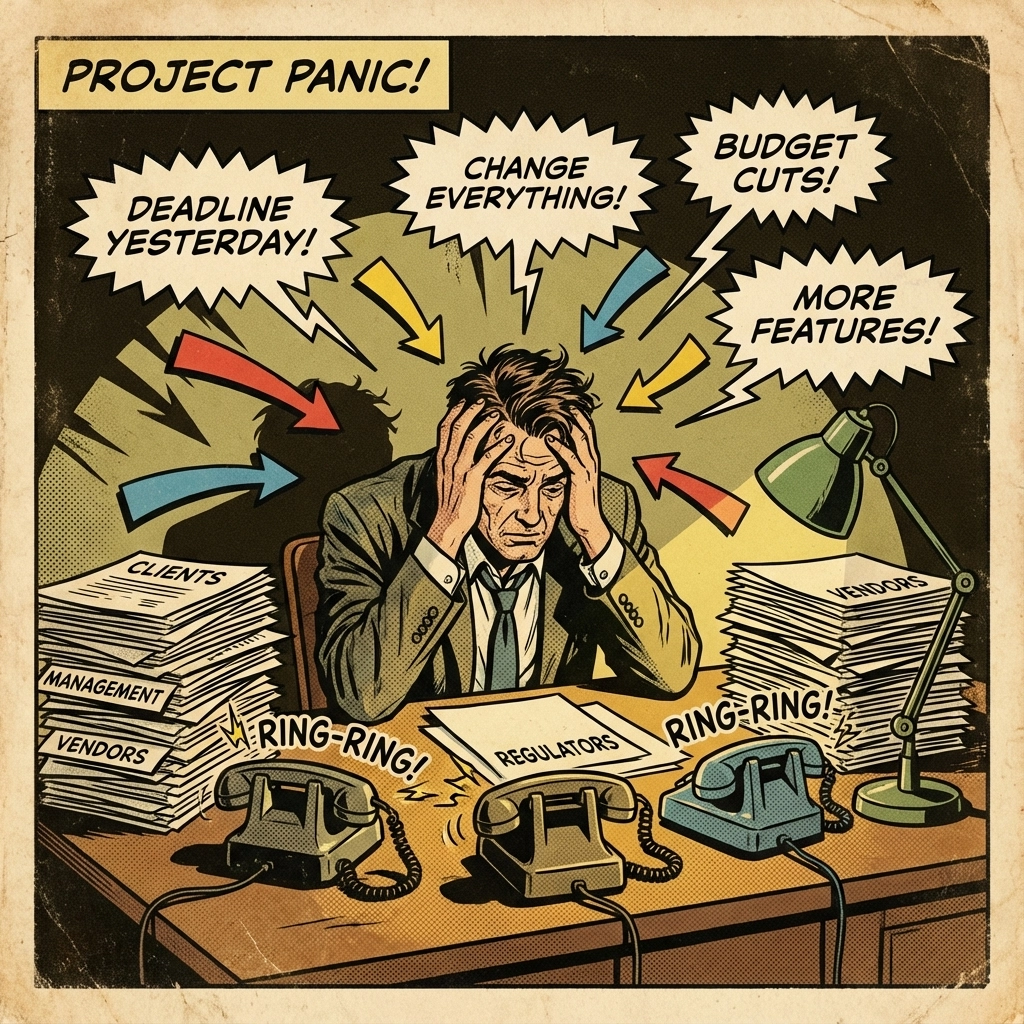
The Federal Highway Administration requires extensive public involvement processes for most major infrastructure projects. Environmental impact statements demand community engagement. The FAR itself mandates stakeholder consultation for projects affecting local communities. When you signed that contract, you didn’t just agree to build something: you agreed to manage a complex web of interests, concerns, and regulatory requirements.
One infrastructure contractor recently shared how their decade-long relationship with a client went up in smoke because they “phoned in” stakeholder engagement on a recompete. The client was furious: not just because the proposal was lazy, but because poor stakeholder management had created compliance headaches that could have derailed the entire project.
Practice 2: Build a Clear Communication Plan for Federal Infrastructure Projects
The Reddit thread that inspired this post generated some solid gold from actual project managers and contracting officers. Here’s what works when you’re juggling multiple stakeholder groups:
Build a Communication Plan With Actual Teeth
Don’t just list stakeholders: define what information each group gets, when they get it, and through what channels. A contracting officer who doubles as a PM put it perfectly: “You need to develop a communication plan, what gets released to who, and when. And those thresholds.”
This aligns with federal project management best practices that emphasize coordinated governance with clear roles and responsibilities. Your communication plan should specify:
- Who receives project updates (and who doesn’t)
- Frequency of touchpoints for each stakeholder group
- Escalation procedures when issues arise
- Information security protocols for sensitive project data
Practice 3: Schedule Advance Touchpoints Across Federal Infrastructure Stakeholders
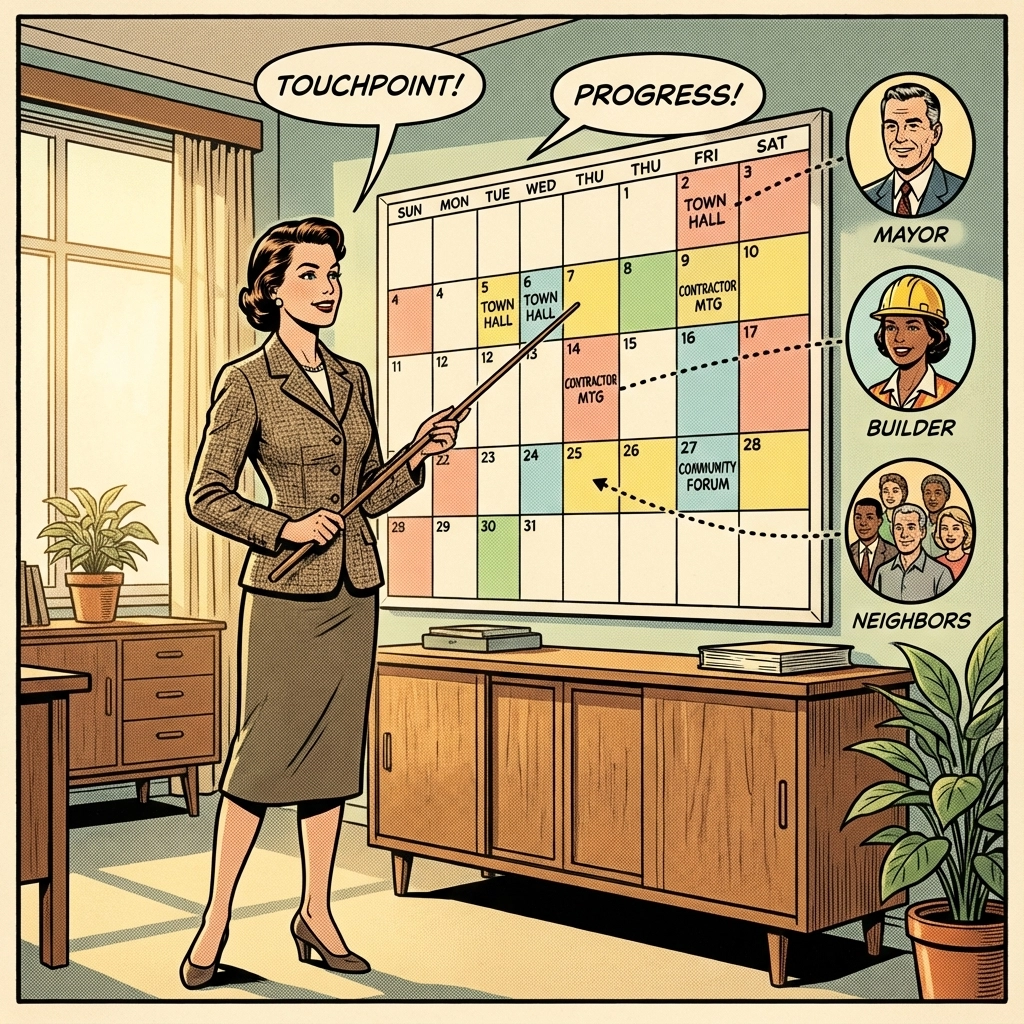
One experienced PM shared this wisdom: “Schedule touchbases as far in advance as is possible. If your project is waterfall or has specific milestones you can predict need their input, approvals, whatever: get those meetings on calendars now.”
Federal projects benefit from structured interface management that formalizes all connection points between contracts, systems, and organizations. This isn’t just about scheduling: it’s about creating early warning systems that catch potential issues before they cause delays or cost overruns.
Practice 4: Integrate Stakeholder Risk Cataloging into Federal Infrastructure Project Management
Environmental groups might challenge your permits. Community activists could demand design changes. Subcontractors might push back on timelines. Document every possible way each stakeholder group could impact your project, then communicate those risks clearly to your internal team.
Federal project management standards require comprehensive risk assessments across all lifecycle stages. Your stakeholder risk catalog should include:
- Regulatory risks (permit delays, compliance challenges)
- Political risks (community opposition, agency conflicts)
- Operational risks (subcontractor disputes, resource conflicts)
- Schedule risks (review delays, approval bottlenecks)
Practice 5: Prepare Comprehensive Contingency Plans for Federal Infrastructure Projects
“Prepare contingency plans for everything” might sound paranoid, but it’s actually smart project management. When the environmental impact review takes six months longer than planned, or when the community group demands a third design revision, you’ll be ready.
Practice 6: Use Modern Tools for Federal Infrastructure Project Management, Not Spreadsheets
Let’s talk about why spreadsheets are making your life miserable and what actually works better.
Why Spreadsheets Are Project Management Torture
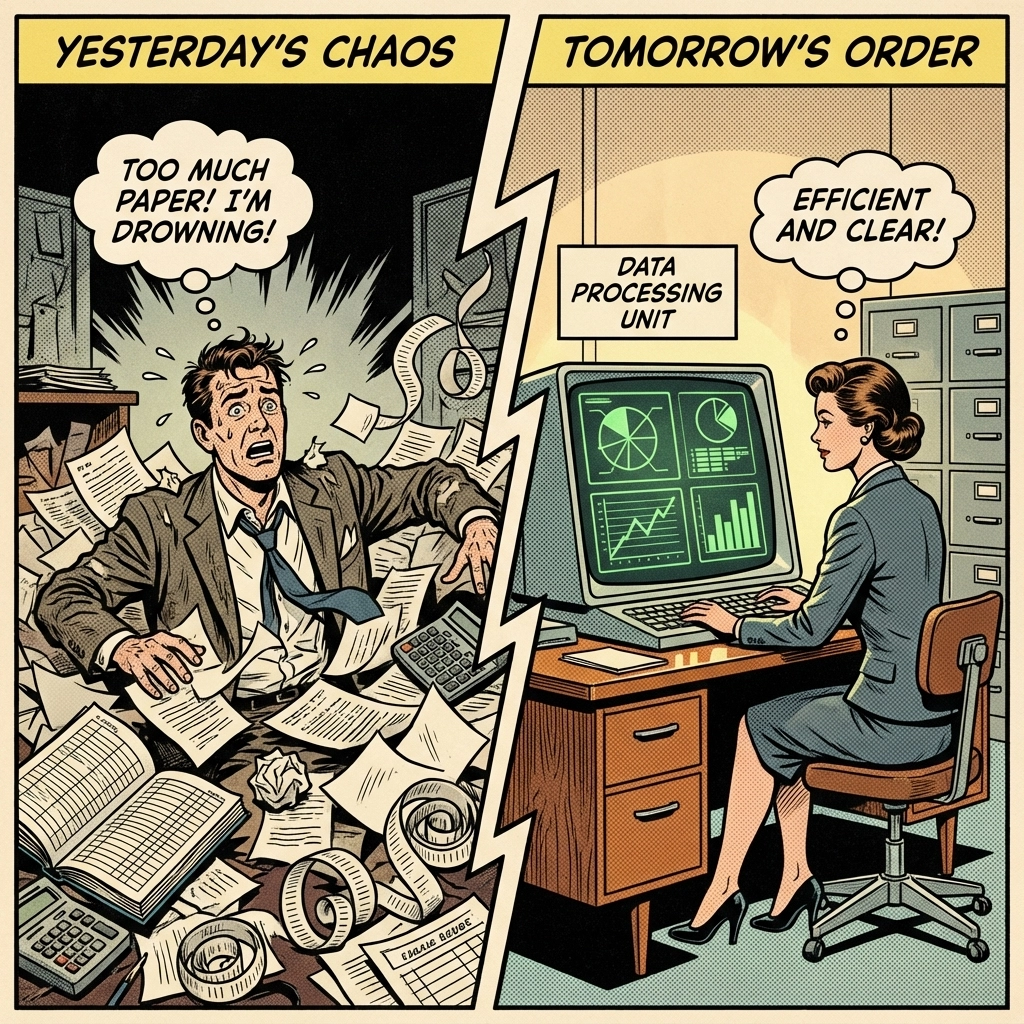
Spreadsheets can’t send automated alerts when deadlines approach. They can’t track email conversations or link stakeholder concerns to project risks. They definitely can’t generate reports for your client without hours of manual formatting. Plus, when your team grows beyond three people, version control becomes a nightmare.
Software That Actually Helps
Jambo and StakeTracker were specifically mentioned by federal contractors as game-changers for stakeholder relationship management. These platforms centralize communications, track commitments, and generate reports that can save your project when things go sideways.
For larger projects, consider tools that integrate with federal project management requirements:
- Jira for issue tracking and workflow management
- Microsoft Project for timeline coordination
- Smartsheet for collaborative planning and reporting
The key is choosing tools that support common data environments where all project participants work “from the same version of the truth,” as recommended in federal infrastructure best practices.
Practice 7: Align With Federal Project Management and PMI Standards
The Project Management Institute’s framework aligns perfectly with federal infrastructure requirements. When you implement stakeholder management software, you’re not just making your life easier: you’re following established best practices that federal agencies recognize and value.
Your Getting-Started Checklist (If You’re Stuck With Spreadsheets for Now)
If budget constraints mean you’re stuck with spreadsheets for the immediate future, here’s how to make them less painful:
Week 1: Stakeholder Inventory
- List every single stakeholder group
- Define their primary concerns and influence level
- Identify required communication frequency
- Note any regulatory or contractual obligations
Week 2: Communication Framework
- Create templates for each type of stakeholder communication
- Set up calendar reminders for regular touchpoints
- Establish escalation procedures for issues
- Define approval processes for sensitive communications
Week 3: Risk Integration
- Link each stakeholder group to potential project risks
- Create alert triggers for high-priority concerns
- Develop contingency plans for likely scenarios
- Set up reporting templates for client updates
Week 4: Process Testing
- Run through your system with a small stakeholder group
- Identify gaps and bottlenecks
- Refine templates and procedures
- Train your team on the new processes
Making It Stick
The most sophisticated stakeholder management system won’t help if your team doesn’t use it consistently. Federal projects require meticulous compliance with regulations and detailed record-keeping for oversight bodies. Your stakeholder management approach needs to support these requirements while making your team’s job easier, not harder.
Regular reviews and accountability measures ensure your system stays current as project needs evolve. Remember, stakeholder dynamics change throughout a project lifecycle: what works during planning might need adjustment during construction.
Understanding how stakeholder management fits into your overall compliance strategy can prevent the kind of fatal proposal errors that sink federal contracts. When you’re bidding on your next infrastructure project, demonstrating sophisticated stakeholder management capabilities can set you apart from competitors who are still fumbling with spreadsheets.
Effective stakeholder management isn’t just about keeping people happy: it’s about protecting your project timeline, budget, and compliance status. Whether you’re a first-time federal contractor or managing complex recompetes, having systems that actually work will save your sanity and your contract.
If you’re ready to move beyond spreadsheet chaos and build stakeholder management systems that support your federal contracting success, Fix Your Bid can help. We’ve guided contractors through complex infrastructure projects and know exactly what works in the real world of federal contracting.
Ready to stop fighting spreadsheets and start winning projects? Contact Fix Your Bid today to discuss how we can help you build stakeholder management systems that actually support your federal contracting goals.
Internal Links
- Beginner’s Guide to Your First Federal Contract Win
- Are Your Federal Proposals Ready for AI Review? 7 Things Government Evaluators Changed in 2025
- Common Federal Compliance Mistakes (and How to Fix Them)