
“We are an 8-year-old company. We have had 3 government contracting consultants over the years, but we have not won anything new in the last 5 years. But spent about 6 grand on BD every month.”
A Reddit post hit harder than it should have. An 8-year company, burning $72,000 annually on business development consultants, with zero new wins to show for it. Four years into their 8(a) certification and still no contracts under it.
Sound familiar?
If you’re nodding along, you’re not alone. This scenario plays out in small government contracting firms across the country. The promise of BD consultants feels compelling – experienced professionals who know the landscape, have the relationships, and can supposedly unlock the federal contracting goldmine.
But here’s the truth most won’t tell you: throwing money at BD consultants is often just expensive procrastination.
Why Most BD Consultants Leave Small GovCons Empty-Handed
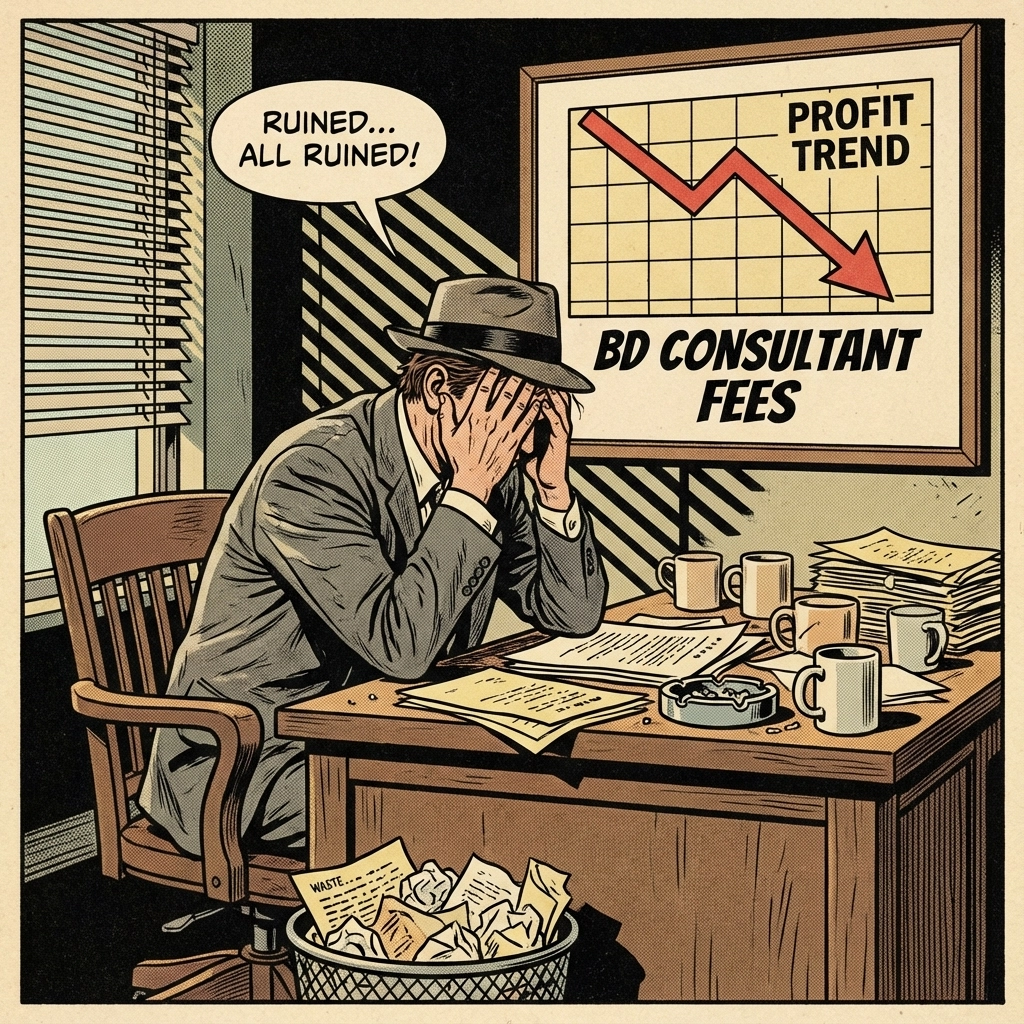
Let’s be honest about what’s really happening when BD consultants don’t deliver.
They’re Playing a Relationship Game You Can’t Win
Most BD consultants sell you on their existing relationships. “I know the contracting officer at Agency X.” “I’ve worked with the program manager at Y for years.” This sounds great until you realize those relationships belong to them, not you.
When the consultant moves on to the next client or retires, those relationships walk out the door. You’re left paying for access to someone else’s network without building your own foundation.
They Focus on Process, Not Outcomes
Many consultants excel at the busy work of BD – attending conferences, scheduling meetings, generating lists of opportunities. They’ll show you impressive reports full of potential contracts and upcoming solicitations.
But busy doesn’t equal effective. If you’re tracking opportunities in spreadsheets and still missing proposal deadlines, the problem isn’t lack of information – it’s lack of systematic capture and proposal processes.
They Don’t Understand Your Real Constraints
A consultant charging $6,000 monthly often doesn’t grasp what it’s like to run a 4-person company where both partners are billable and trying to handle operations. They’ll recommend attending every networking event and chasing every opportunity, without considering your actual bandwidth.
Small companies need focused, high-probability pursuits, not more activities.
The 8(a) Mirage: Why Set-Asides Don’t Automatically Equal Wins
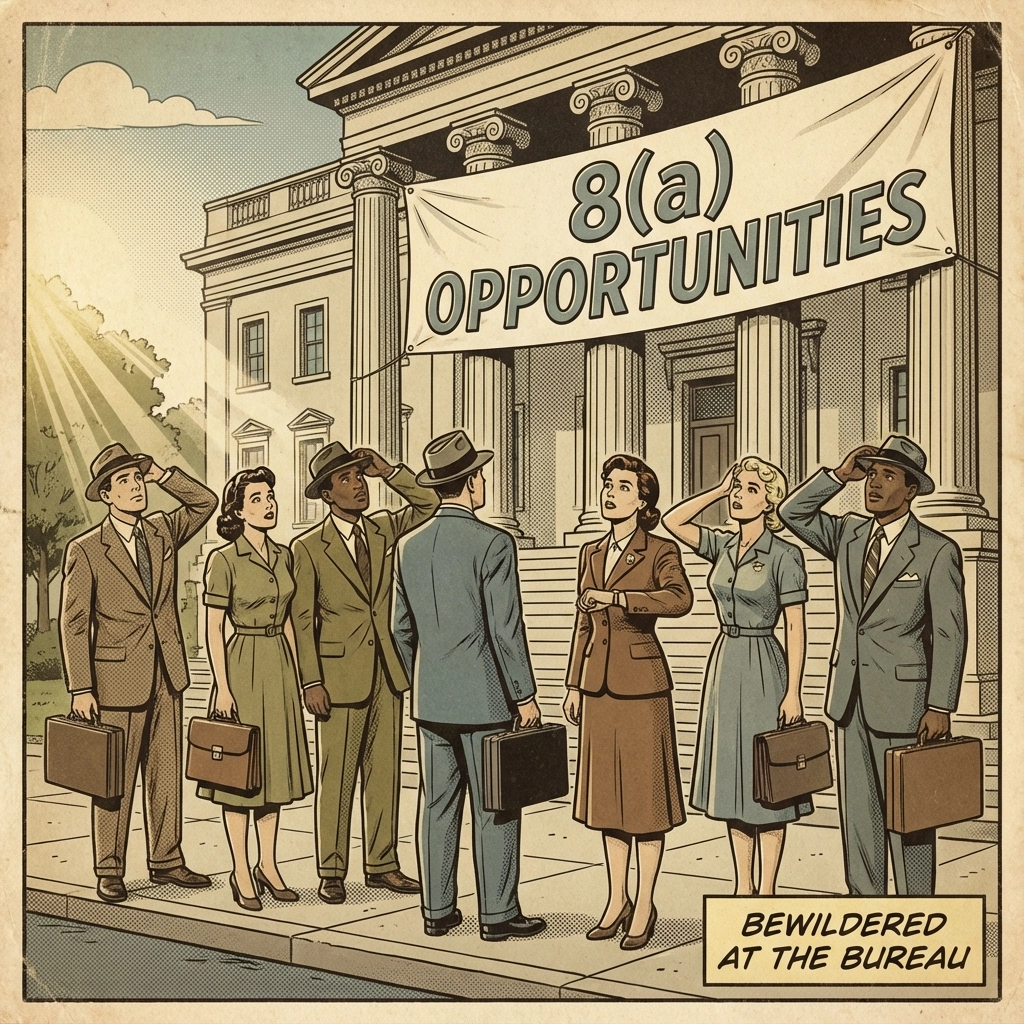
The Reddit poster’s 8(a) frustration deserves special attention. Four years in with no contracts represents a massive missed opportunity, but it’s not uncommon.
Here’s what most people don’t realize about 8(a) contracts: they’re still competitive. The SBA 8(a) Business Development Program{:target=”_blank”} provides opportunities, but agencies still choose which 8(a) firms they want to work with.
Those choices are based on:
- Demonstrated capability (not just paper qualifications)
- Past performance in similar work
- Relationship and trust built over time
- Competitive pricing and realistic proposals
Simply being 8(a) certified doesn’t make contracts fall into your lap. You still need to prove you can deliver.
What Actually Wins Government Contracts (It’s Not What You Think)

After working with hundreds of government evaluators and successful contractors, here’s what actually moves the needle:
Systematic Pipeline Management
Winners track 5-10 realistic opportunities with specific next steps for each one. They have weekly pipeline reviews that never get cancelled. They use simple tools to monitor when RFPs drop so nothing slips through the cracks.
This isn’t glamorous work, but it’s what separates consistent winners from companies that chase everything and catch nothing.
Quality Proposal Development
Government evaluators can spot weak proposals instantly. As one contracting officer noted in the Reddit thread: “I’ve awarded over a billion dollars in service contracts… contractors need to get better at writing proposals. It’s not a sales pitch, people.”
Companies that win focus on avoiding fatal proposal errors and understanding what evaluators actually look for.
Debriefing and Learning from Losses
The FAR requires agencies to provide debriefings{:target=”_blank”} when you request them. Winners use these sessions to understand exactly why they lost and fix those issues for next time.
Most companies skip this step or treat debriefings as formalities. That’s leaving money on the table.
Building Your Own BD Engine: What Works for Small Companies
Instead of hiring another consultant, here’s what successful small GovCons actually do:
Focus on Current Customer Growth
Your existing customers are your best source of new work. Government agencies have multiple offices, adjacent needs, and upcoming recompetes. Mining these opportunities costs nothing and leverages relationships you already have.
Target 2-3 Agencies Maximum
Stop trying to be everything to everyone. Pick 2-3 agencies where your capabilities align with their ongoing needs. Study their acquisition forecasts on SAM.gov{:target=”_blank”} and build real knowledge about their challenges.
Partner Strategically
Instead of competing against established primes, partner with them. Offer your specialized capabilities as a subcontractor while building the past performance needed to compete as a prime later.
Invest in Proposal Quality
Take half of what you’re spending on BD consultants and invest it in proposal development training, tools, and processes. Understanding common proposal mistakes will improve your win rate more than attending networking events.
When You Need Expert Help (And When You Don’t)

BD consultants aren’t inherently bad. They can be valuable for specific, short-term needs:
- Market research for entering new agencies
- Proposal support for major opportunities
- Capture planning for high-value pursuits
But they shouldn’t be your primary BD strategy, especially if you’re spending more than 10% of revenue on external BD help without seeing wins.
What you likely need instead is someone who understands the evaluator’s perspective – what actually wins and loses proposals at the technical evaluation level.
The Fix Your Bid Difference: Evaluator-Level Insight
Here’s where most BD approaches miss the mark: they focus on the front end (finding opportunities) without fixing the back end (winning them).
At Fix Your Bid, we’ve worked inside the evaluation process. We know what makes evaluators score one proposal higher than another. We understand the compliance requirements that eliminate proposals before technical review even starts.
This isn’t about networking or relationships. It’s about building proposals that evaluators can’t say no to.
Ready to Stop Burning Money on BD That Doesn’t Work?
If you’re tired of consultants who promise the moon but deliver spreadsheets, let’s talk about what actually wins government contracts. Our approach focuses on systematic improvements that you own and control – not borrowed relationships that disappear when contracts end.
Contact us today to discuss how evaluator-level insights can transform your win rate without the consultant dependency trap.
Stop throwing money at the problem. Start fixing your bids.